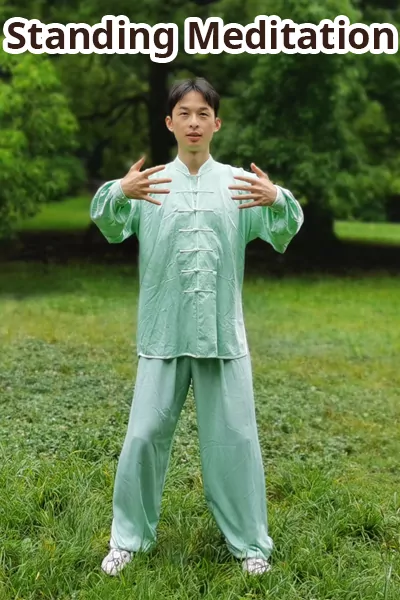
Zhanzhuang is an exercise also known as “Post Standing”, “Pile Standing”, “Standing Pole”, “Standing Practice”, “Standing Meditation”, “Stand like a tree”, “Stand Still Be Fit”, etc.
Keep standing…

01
What Is Zhanzhuang?
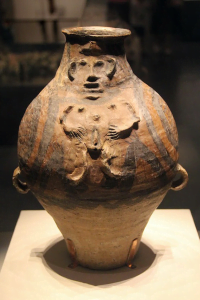
It’s hard to say how old Zhanzhuang is. A 7,000-year-old Neolithic pottery vessel from China’s Majiayao culture, unearthed in 1975, shows a figure performing Zhanzhuang-type of exercise.
Studies suggest that standing still was probably Zhanzhuang’s original name. The earliest written record about standing still was found in a book called <Guan Zi>, which was written nearly 3000 years ago.
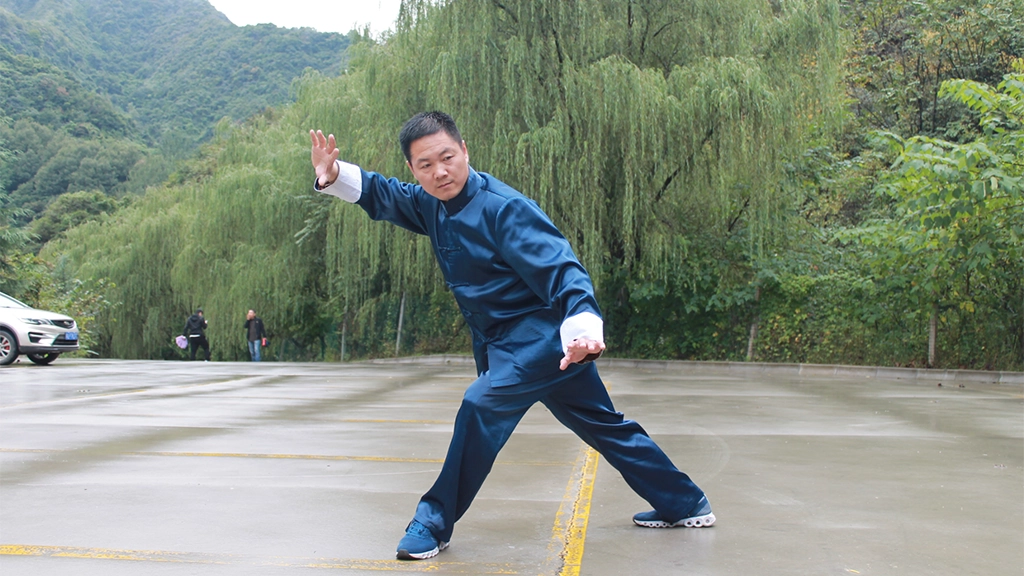
Today, Zhanzhuang remains a fundamental practice in many Chinese martial arts and is also practiced as a gentle mind-body exercise that may support relaxation, body awareness, and general well-being.
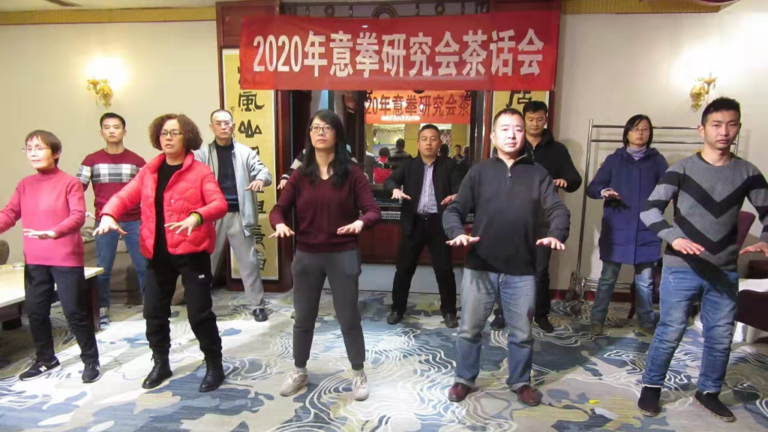
Zhanzhuang has also been explored as a complementary practice alongside conventional medical care. Dr. Yu Yongnian was an early medical professional who documented its historical use in supporting people with chronic conditions.
02
Characteristics of Zhanzhuang Practice
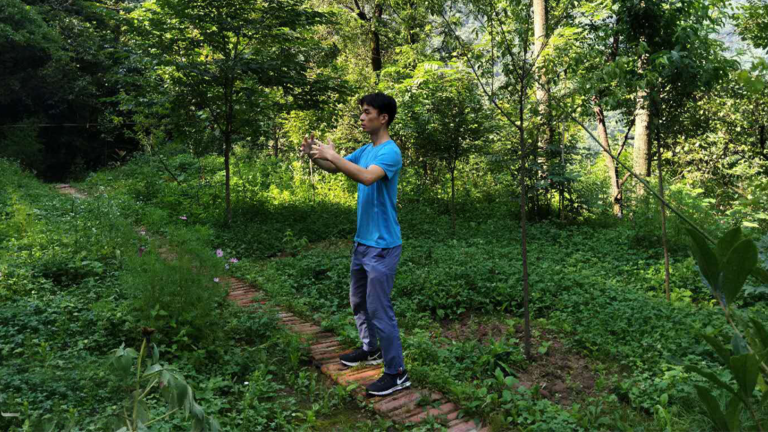
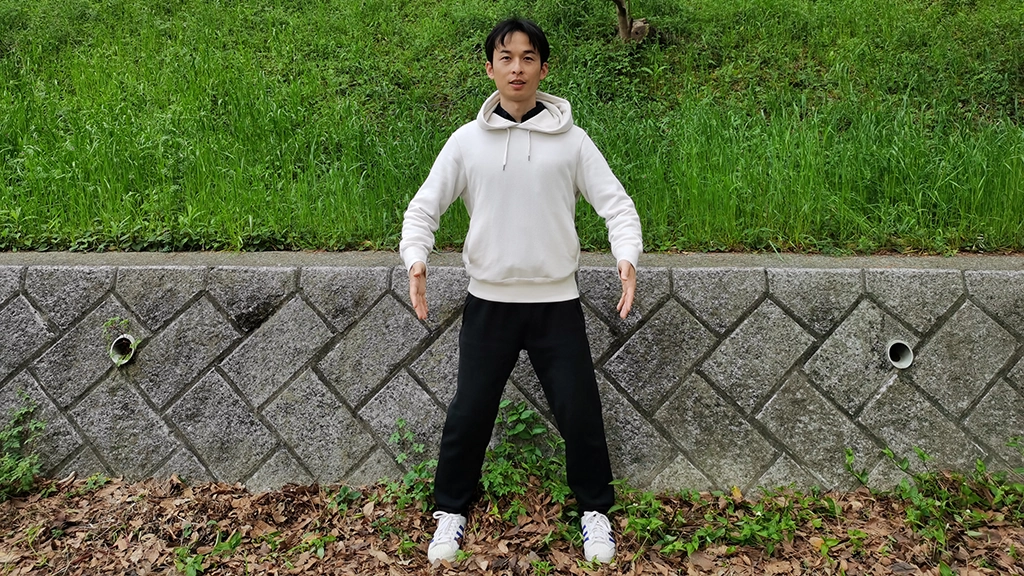
Zhanzhuang is generally a gentle, low-movement practice. It can be practiced in a suitable indoor or outdoor space, and the duration and preparation can be adapted to individual needs. Zhanzhuang includes many postures, but learning a basic posture provides a foundation for studying other stances.
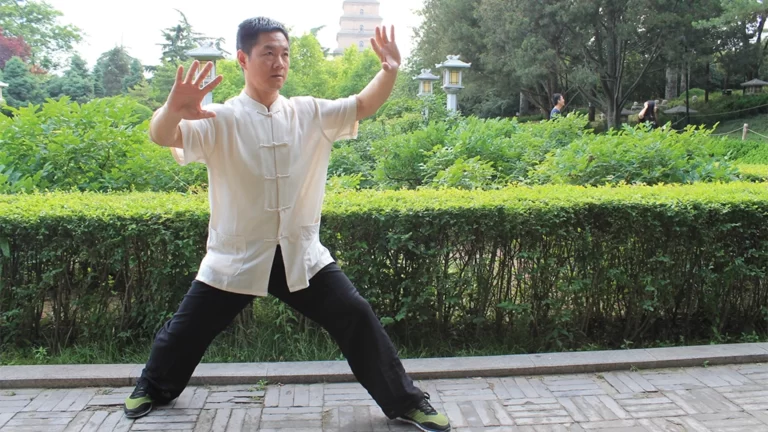
The duration of Zhanzhuang practice can be adjusted to suit the individual. Many practitioners begin with five minutes and gradually increase their practice time according to their comfort and ability. Even a short session may be a practical starting point. People of different ages, strength levels, and degrees of mobility can adapt the practice to their circumstances and preferred time and place. Those living with health conditions should seek appropriate medical guidance.
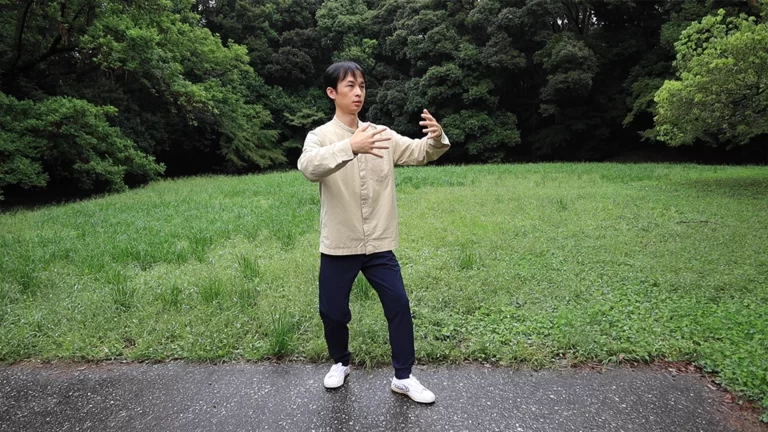
There are usually four stages of the Zhanzhuang learning process and there are various reactions during beginning stages of Zhanzhuang.
03
Zhanzhuang for health Improvment
Consistent Zhanzhuang practice may support posture, balance, body awareness, relaxation, and general physical function. Some practitioners also report improvements in muscular tension, sleep, digestion, and everyday comfort. Individual responses vary, and Zhanzhuang should not be considered a substitute for medical diagnosis or treatment.
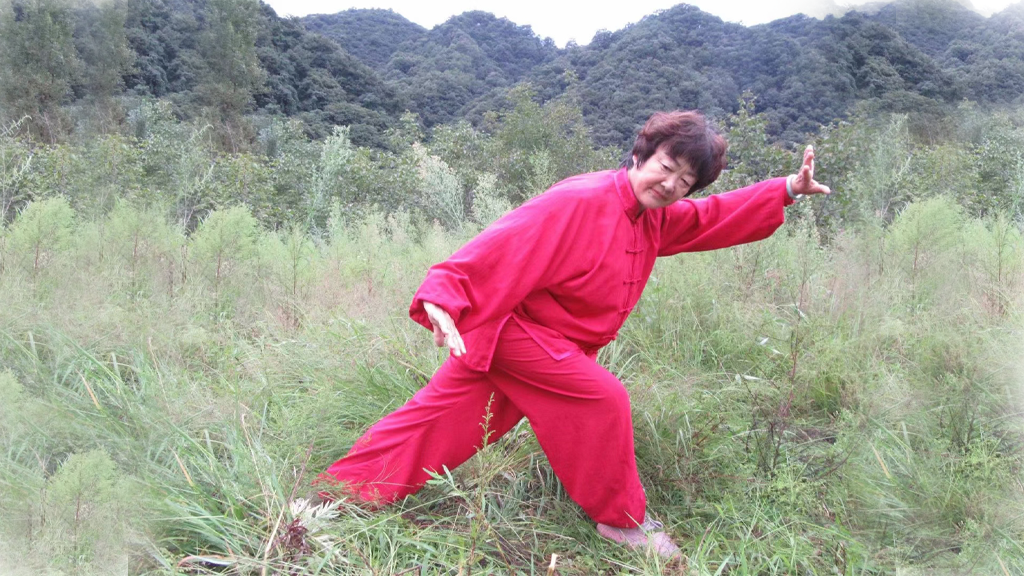
Zhanzhuang can be adapted for older adults and people with limited strength or mobility, but practice should be selected according to the individual’s condition and professional medical guidance when appropriate.
In his historical writings and clinical observations, Dr. Yu discussed chronic conditions including chronic tracheitis, chronic gastroenteritis, chronic hepatitis, cardiopathy, high blood pressure(hypertension), neurasthenic, chronic rheumatoid arthritis and similar rheumatoid arthritis, adipoma, goiter. These reports are presented for historical and educational purposes. They should not be interpreted as current clinical evidence, guaranteed health outcomes, medical advice, or a substitute for diagnosis and treatment. Individual responses may vary.
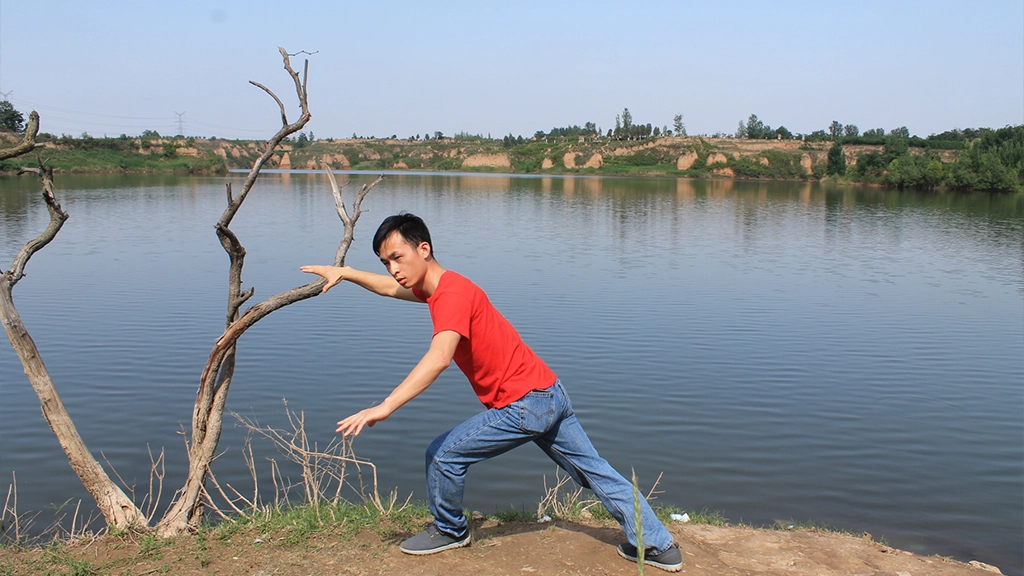
We only listed some of the health applications of Zhanzhuang. There are more. Every day practitioners are discovering new benefits of this amazing exercise.
04
How May Zhanzhuang Support Health?
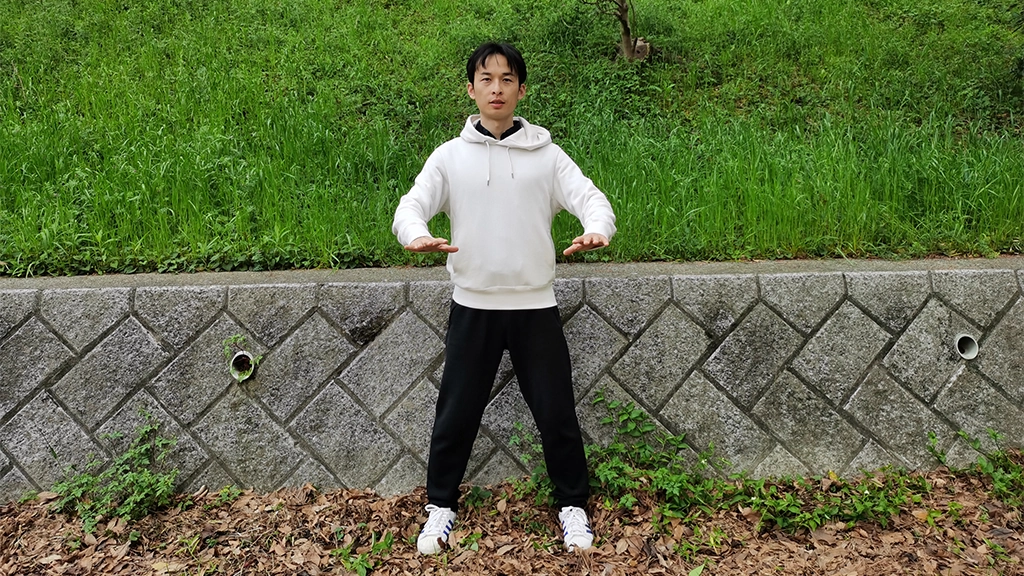
Zhanzhuang combines physical structure, attention, and mental activity. Rather than being simply stillness or meditation, it is practiced as an integrated mind-body method. Dr. Yu discussed possible physiological explanations in several books. The following section presents his historical account of blood-related observations; it should be read as historical interpretation rather than established medical evidence.
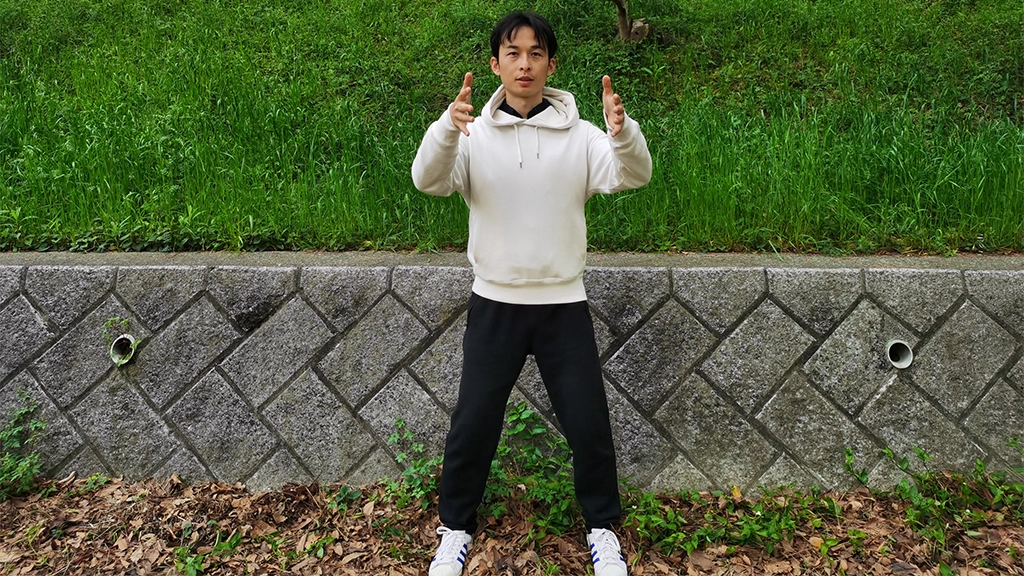
During Zhanzhuang, the body is held relatively unchanged in correct structures and there is constant contraction and loosening between muscles and bones. This will mobilize blood vessels, which promotes blood circulation. Dr. Yu listed the following figures in the book of “Zhanzhuang and Search of Wu” (Yu Yongnian, 2005, Shanxi Science and Technology Press).
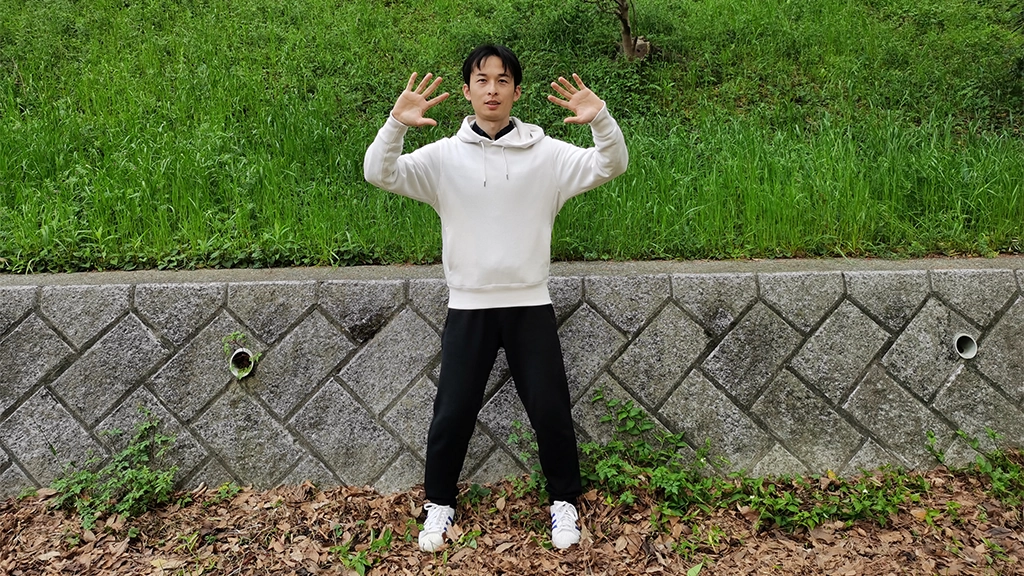
In his 2005 book, Dr. Yu reported the following historical observations after one hour of Zhanzhuang:
1. up to 1520 000 additional erythrocytes (red blood cells) per cm3 of blood,
2. up to 3650 additional hem leukocytes (white blood cells) per cm3 of blood,
3. up to 3.2 gram of additional hemoglobin per cm3 of blood.
These historical figures are reproduced for educational context and have not been independently verified here. They should not be used to diagnose a condition, evaluate treatment, predict an individual result, or make changes to prescribed medical care.
Red blood cells carry oxygen through the hemoglobin they contain. Dr. Yu’s historical account linked the reported blood measurements with oxygen transport, relaxation, and well-being. However, this explanation and its claimed applications to neurasthenia, arthritis, angina, cirrhosis, cardiovascular diseases, and other conditions should be understood as his historical interpretation—not as verified evidence that Zhanzhuang treats these conditions.
05
Adapting Zhanzhuang for Different Needs
Zhanzhuang is generally a gentle and adaptable practice, but no form of exercise is completely risk-free. People who are too weak to sit or stand, or who are living with conditions such as cardiovascular diseases, should consult a qualified healthcare professional before beginning. Lying-down Zhanzhuang, Seated Zhanzhuang, and Standing Zhanzhuang with Support, as well as Standing Zhanzhuang, allow the practice to be adapted to different needs. Appropriate posture, support, duration, and effort should be selected according to the individual’s condition.
To conclude, Zhanzhuang brings together traditional Chinese practice, martial arts experience, and modern interest in mind-body exercise. It may be practiced as part of a balanced approach to general health and well-being. If you would like to learn more about the historical use of Zhanzhuang as a health practice, Dr. Yu’s books are a useful starting point. Here are three recommendations:
< Zhan Zhuang and The Search of Wu > (Chinese, English versions)
<Zhan Zhuang: The Art of Nourishing Life> (Chinese, English, French versions)
< Zhan Zhuang and Dao De Jing> (Chinese version)
06
Yiquan Park Classes & Courses
I have created a method whereby through videos, classes, and publications one may develop their body and mind as close as possible to training directly with me.
About the Instructor
I am Song GAO, Yiquan inheritor & instructor, Zhanzhuang expert in health & wellness.
I was born in 1987 and grew up in a village in China. I began professional Yiquan and Zhanzhuang training with Master Zhang Yongmou, a fourth-generation Yiquan inheritor, in 2016.
After four years of training at Master Zhang’s Yiquan school, including three years as an assistant instructor, I became qualified to teach. I began teaching online in early 2020.
I traveled to the United States to teach Zhanzhuang and Yiquan in both 2024 and 2025.
I accepted my first two disciples in 2024: Hosh from Bisbee, Arizona, and Lyle from New York City. In 2026, Gregor from Slovenia became my third disciple.
In 2026, I largely achieved my goal of becoming a full-time Yiquan teacher.