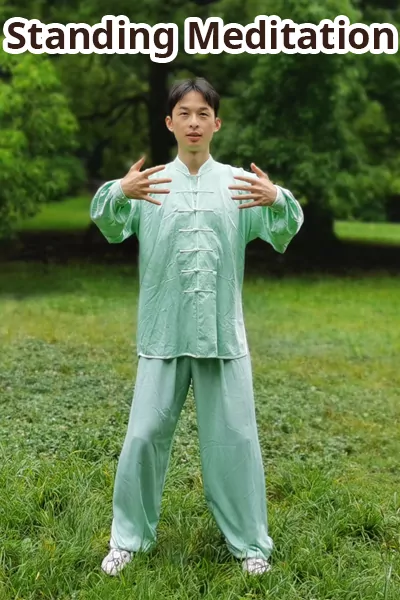
Beginner Zhanzhuang Online Course
Basic Zhanzhuang (Health Stances) for Health and Well-Being
US $149
This systematic, self-guided Zhanzhuang course helps beginners learn step by step through a structured 150-day program. It includes 15 instructional lessons, more than 130 guided practice videos, and English and Spanish subtitles.
The course introduces a gradual approach to standing practice, designed to support body awareness, relaxation, and the development of a consistent daily practice.
This course has English and Spanish subtitles. The narration is English. To turn on subtitles: click on “CC” at the bottom right corner of the video player.
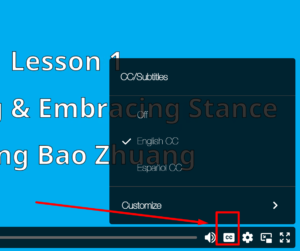
Este curso cuenta con subtítulos en inglés y español. La narración es en inglés. Para activar los subtítulos, haz clic en “CC” en la esquina inferior derecha del reproductor de video.
Material Includes:
- A. 150 lessons for 150 days
- B. 15 instructional videos
- C. 130+ practicing videos
- D. Useful written materials
Requirements:
- A. Everyone can study Zhanzhuang with this course
- B. No prerequisites required
- C. No previous martial art experiences needed
Target Audience:
- A. Wishing to develop body and mind together
- B. Seeking a new methodology to improve health
- C. Interested in Zhanzhuang (Standing Meditation)
- D. Interested in Chinese martial arts
What You Will Get:
- A. May support general health and well-being
- B. Beginner's level of Zhanzhuang (站桩)
- C. Parallel-step stances (Health stances)
- D. Solid foundation for further Zhanzhuang/Yiquan studies
Zhanzhuang Postures in this Course:
Zhanzhuang, also commonly written as Zhan Zhuang, is a traditional Chinese standing practice often described as standing meditation. A posture of Zhanzhuang is called a stance. In this course, you will systematically learn the following 11 stances and their designed Yi (a Chinese word for intent).
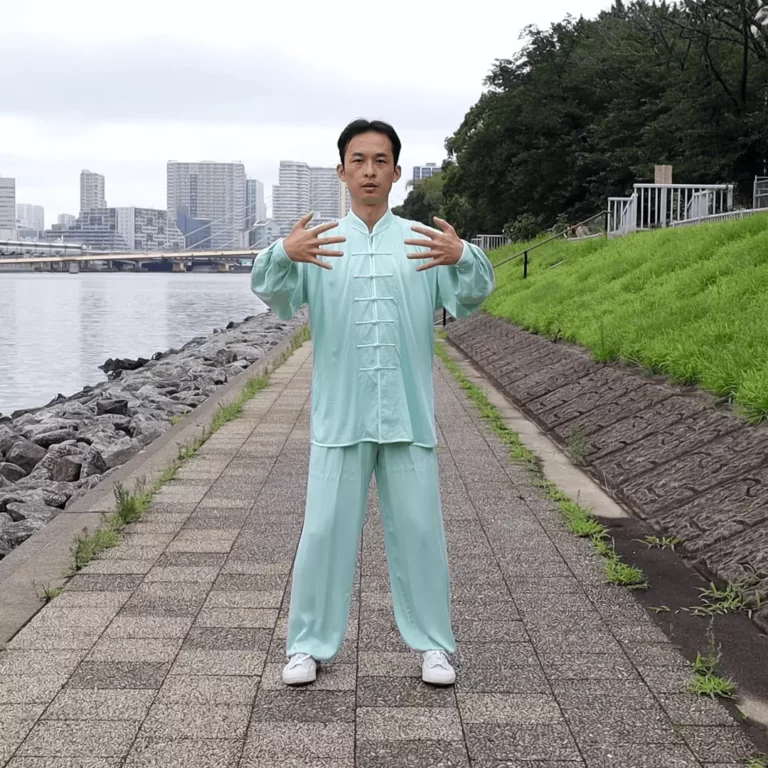
(Cheng Bao Zhuang/撑抱桩)
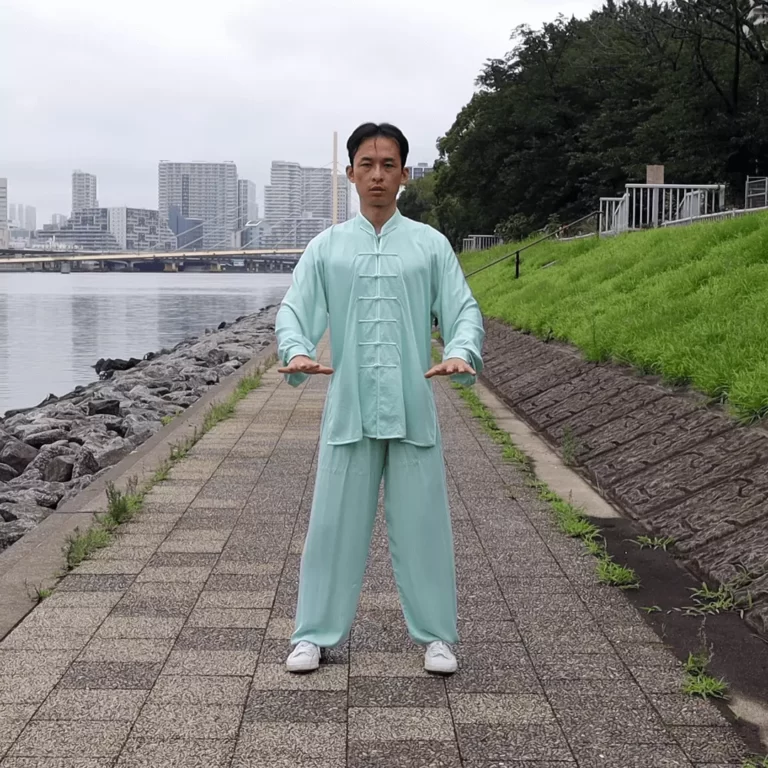
(Fu An Zhuang/扶按桩)
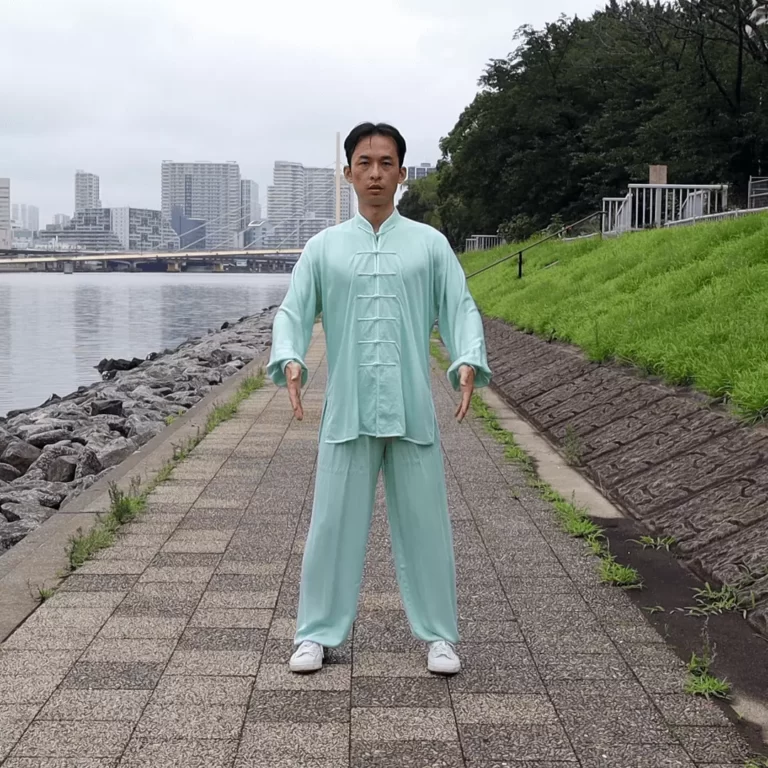
(Ti Cha Zhuang/提插桩)
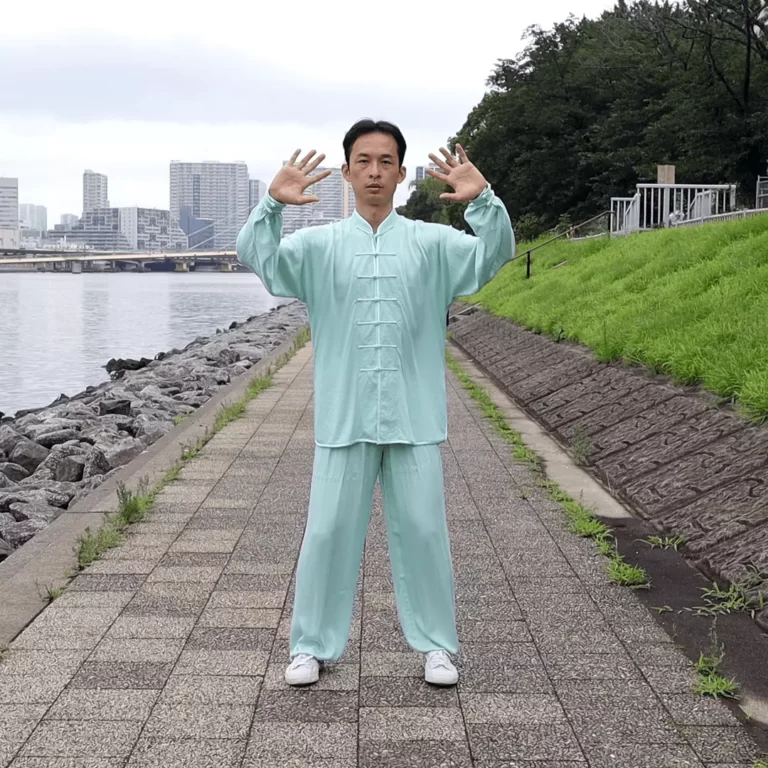
(Tui Tuo Zhuang推托桩)
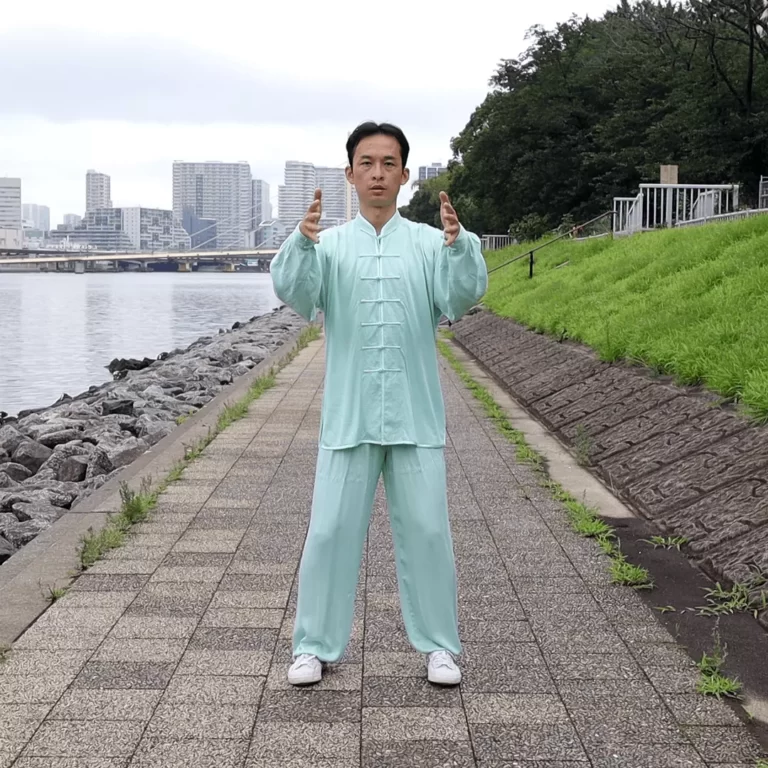
(Gou Gua Zhuang/钩挂桩)
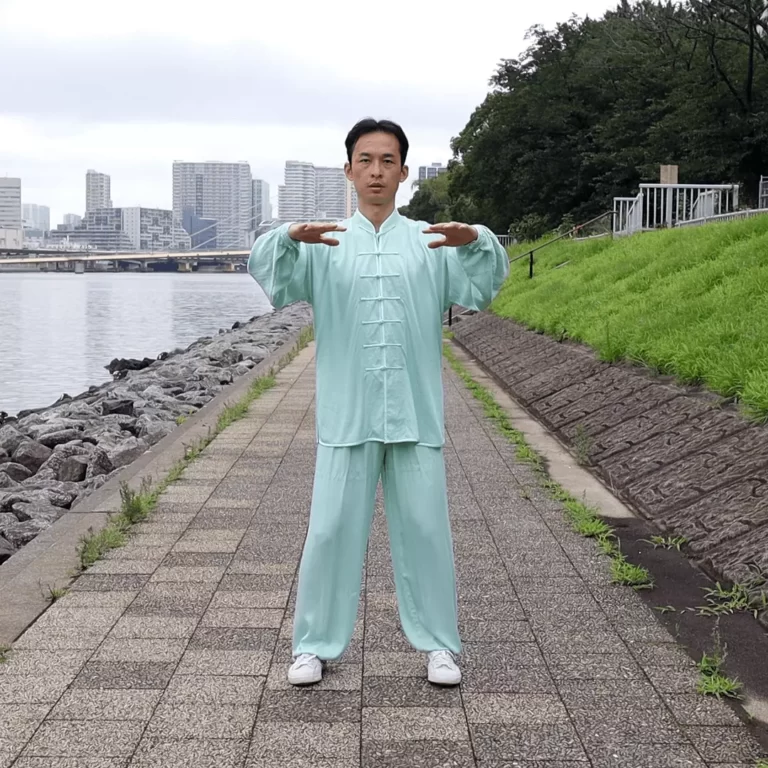
(Ping Bao Zhuang/平抱桩)
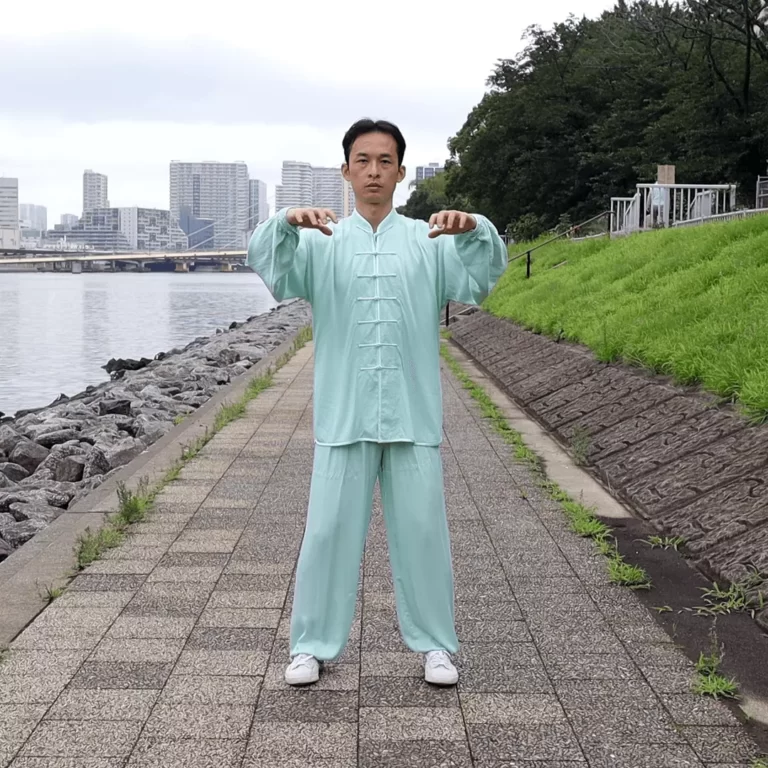
(Ti Zhua Zhuang/提抓桩)
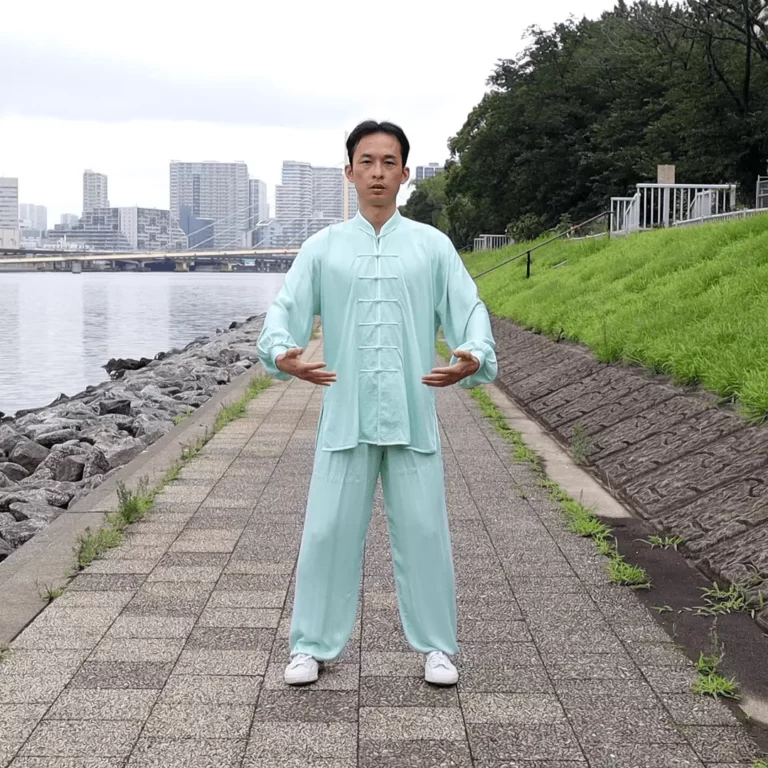
(Ti Bao Zhuang/提抱桩)
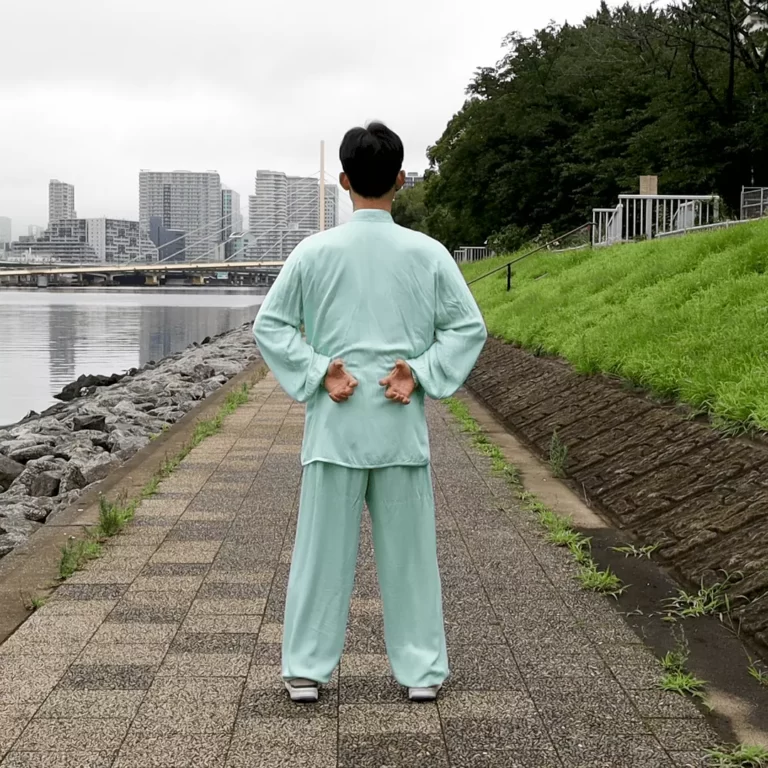
(Xiu Xi Zhuang/休息桩)
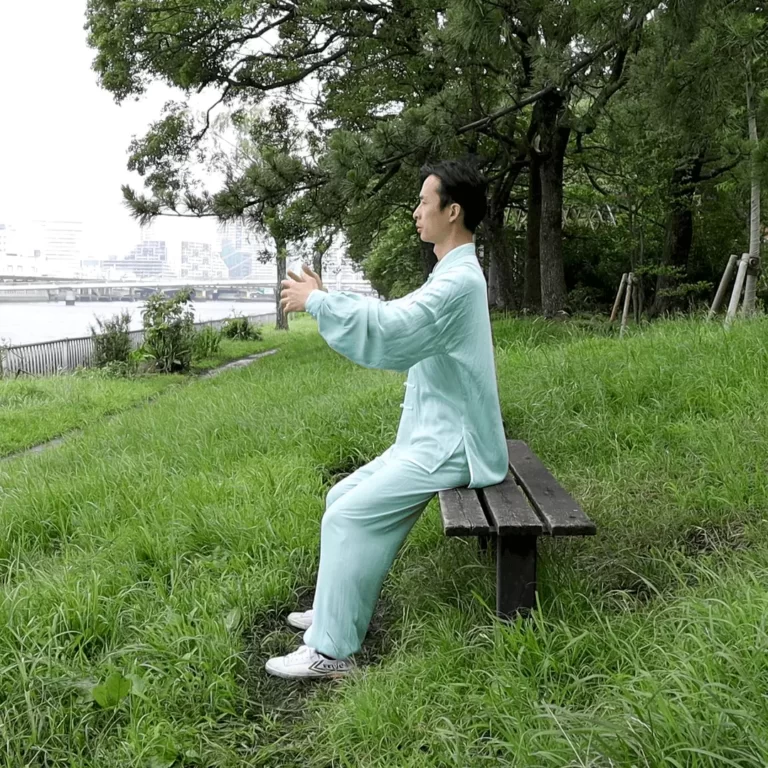
(Zuo Shi Zhuang/坐式桩)
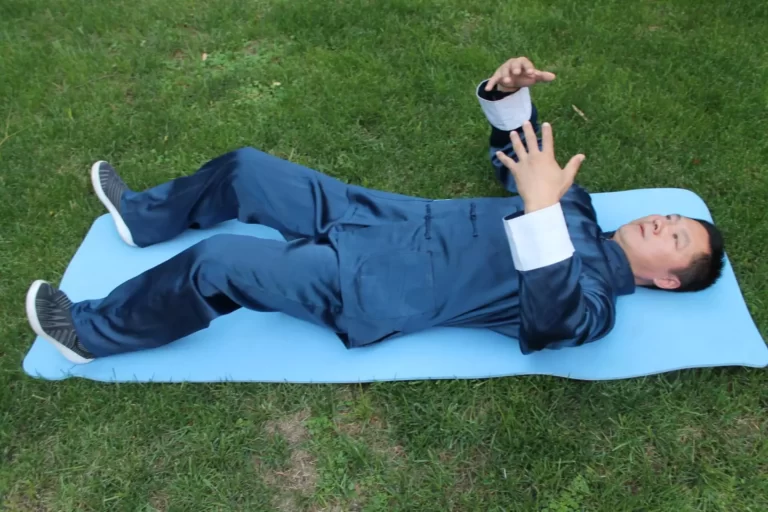
(Wo Shi Zhuang/卧式桩)
Briefly on Zhanzhuang & Yiquan
The ancient Chinese came to believe that not moving may be the key to health and longevity, they gradually created a health-maintenance methodology by mimicking a tree and named it Zhanzhuang, which is also known as “Post Standing”, “Pile Standing”, “Standing Pole”, “Standing Practice”, “Standing Meditation”, “Standing like a tree”, “Stand still be fit”, etc..
Yiquan (意拳) is a traditional Chinese martial art in which Zhanzhuang serves as the foundation of the training system. Beyond its role in martial arts, Zhanzhuang can also be practiced as a gentle mind-body exercise that supports body awareness, relaxation, balance. As a healing method that can “cure diseases for those who have diseases and strengthen the body for those who have none” in modern days, Zhanzhuang is proved to be effectively helpful for people experiencing physical discomfort, particularly those living with chronic conditions.
This course is designed for beginners who wish to explore Zhanzhuang as part of a balanced and active lifestyle.
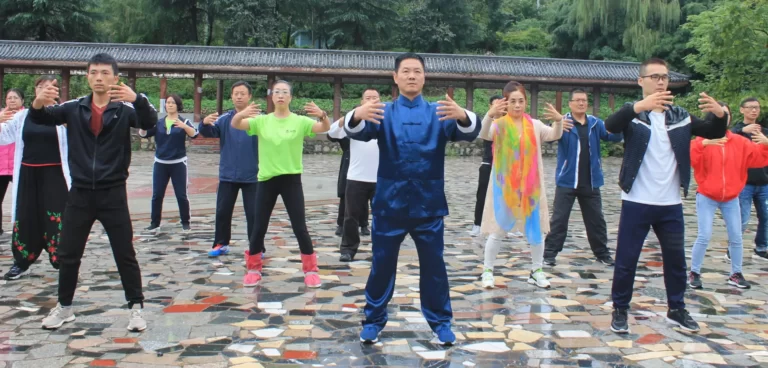
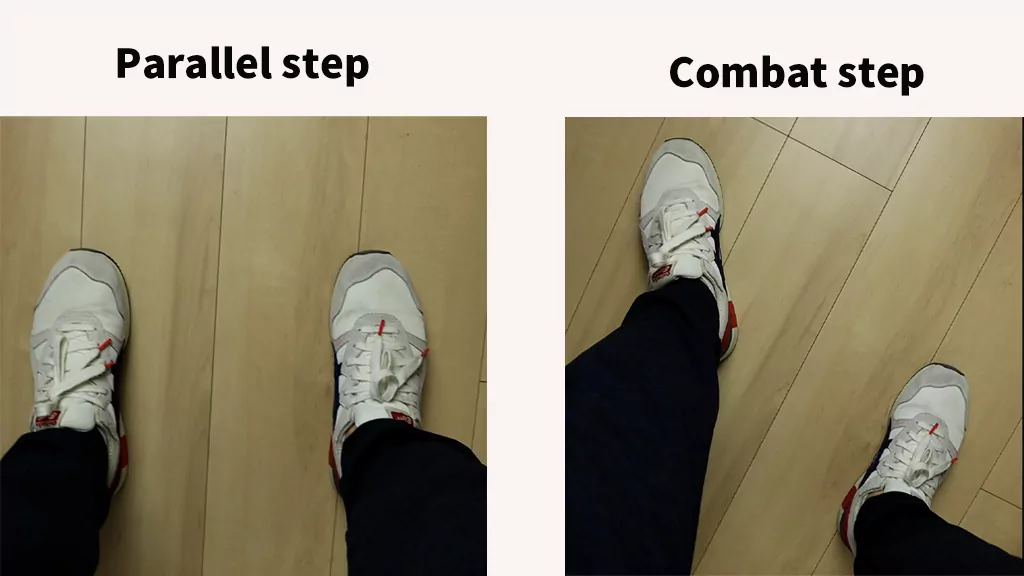
All stances can be divided into two categories based on the type of footsteps: Parallel-step stances (introduced in this course) and Combat-step stances (introduced in Advanced Zhanzhuang Course).
Parallel-step stances are also called health stances. All the stances in this course are health stances.
After completing this course, you will be expected to understand & do Zhanzhuang at an advanced-beginner level. You can be constantly improving your health as long as you continue Zhanzhuang on a daily basis. You will also have a solid foundation to learn Advanced Zhanzhuang Course, Basic Shili Course,Basic Friction Stepping Course.
Course Curriculum
What You’ll Learn in this Zhanzhuang Online Course
Preparation
Lesson 1 – The Expanding & Embracing Stance
Lesson 2 – Yi of “In a Lake”
Lesson 3 – Yi of “On a Boat”
Lesson 4 – Yi of “Ant under Foot”
Lesson 5 – Relaxing Yi
Lesson 6 – Yi of “Imaginary Tree”
Lesson 7 – The Holding & Pressing Stance
Lesson 8 – The Lifting & Inserting Stance
Lesson 9 – The Holding & Pushing Stance
Lesson 10 – The Hooking & Hanging Stance
Lesson 11 – Three relaxing stances
Lesson 12 – The Resting Stance
Lesson 13 – Sitting Stances
Lesson 14 – The “Muscles as One” Exercise
Lesson 15 – The Lying Down Stance
15-min Practice Videos (30 of them)
30-min Practice Videos (30 of them)
45-min Practice Videos (30 of them)
60-min Practice Videos (30 of them)
About the Instructor
I am Song GAO, Yiquan inheritor & instructor, Zhanzhuang expert in health & wellness.
I was born in 1987 and grew up in a village in China. I began professional Yiquan and Zhanzhuang training with Master Zhang Yongmou, a fourth-generation Yiquan inheritor, in 2016.
After four years of training at Master Zhang’s Yiquan school, including three years as an assistant instructor, I became qualified to teach. I began teaching online in early 2020.
I traveled to the United States to teach Zhanzhuang and Yiquan in both 2024 and 2025.
I accepted my first two disciples in 2024: Hosh from Bisbee, Arizona, and Lyle from New York City. In 2026, Gregor from Slovenia became my third disciple.
In 2026, I largely achieved my goal of becoming a full-time Yiquan teacher.