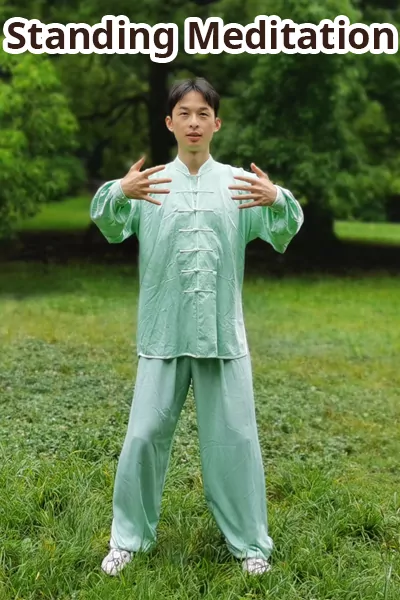
Zhanzhuang for Older Adults, the Weak, and People with Limited Mobility
Gentle, Progressive Practice for Rebuilding Strength and Mobility
Available in other languages:
This course is the designed Zhanzhuang for older adults, people who are physically weak, and those living with disabilities or limited mobility.
This course may also be suitable for people recovering from an injury or major surgery, as well as those experiencing reduced strength or mobility after illness or an extended period of inactivity.
It is offered for just $10 because I understand that older adults and people facing physical challenges may already carry significant burdens. I want to make this training as accessible as possible to those who may benefit the most from it.
This course is narrated in English and includes subtitles in English, Spanish, French, and Italian.
To turn on subtitles, click the “CC” button in the bottom-right corner of the video player.

Course Contents
It introduces three accessible forms of practice:
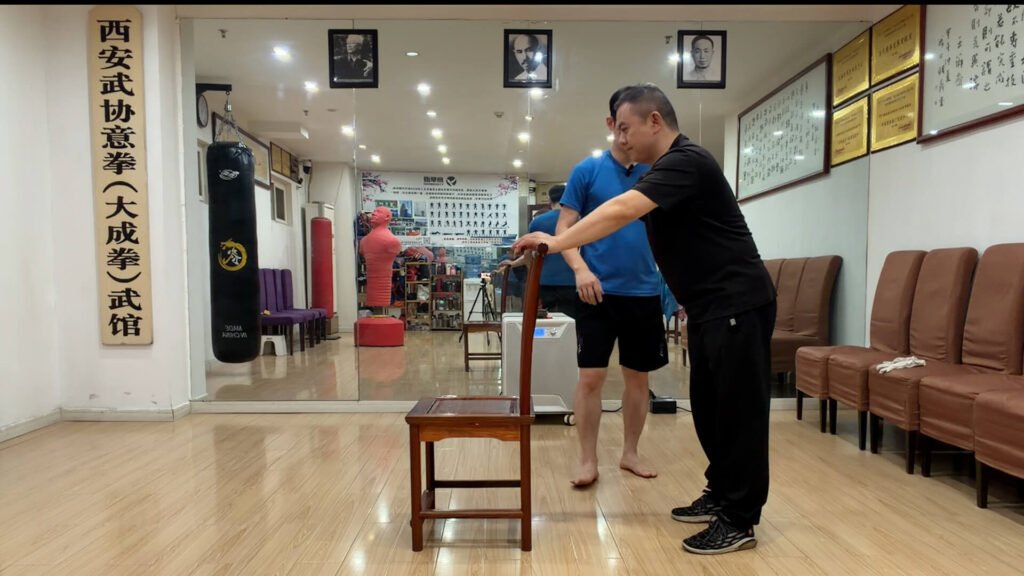
Together, these three forms provide a gradual path for people who may not yet be able to practice conventional Standing Zhanzhuang. Each method can be adapted to your present abilities, allowing you to begin from where you are today.
A Tradition of Accessible Zhanzhuang Practice
Since Yiquan began to take shape in the 1920s, generations of practitioners have explored the use of Zhanzhuang not only as a martial art, but also as a method of improving physical condition and general well-being.
One of the most important figures in this development was Dr. Yu Yongnian. Beginning in the 1980s, Dr. Yu explored the use of Zhanzhuang alongside conventional care at the hospital where he worked. Over the following decades, he observed and documented many individual cases and developed different postures for people with different physical conditions.
The practices taught in this course are based on the methods and principles developed by Dr. Yu.
A Gradual Path of Practice
The course follows a progressive training structure:
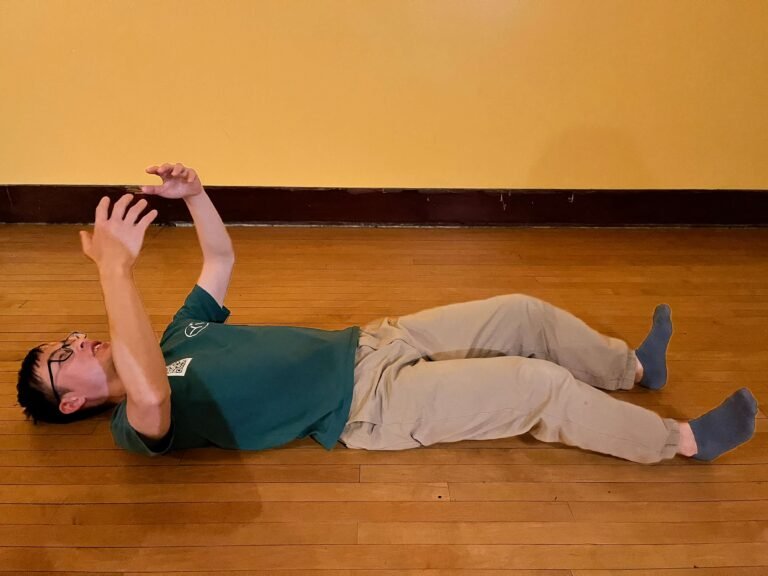
Lying-down Zhanzhuang
For people who cannot stand, or who have difficulty sitting safely for extended periods, practice can begin while lying down. This allows the practitioner to develop awareness, coordination, and gentle muscular engagement without supporting the full weight of the body.
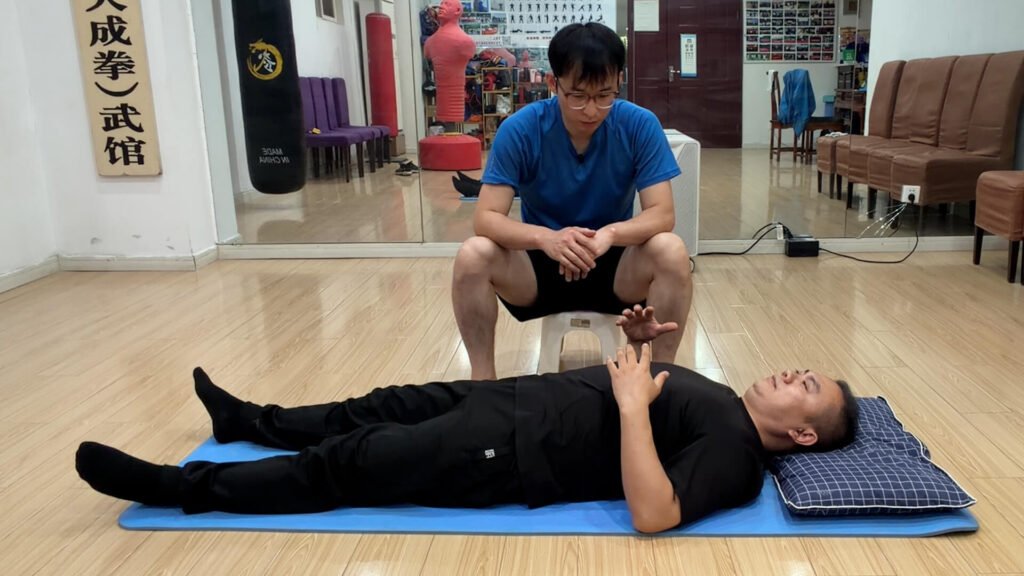
Seated Zhanzhuang
Those who are able to sit can continue with Seated Zhanzhuang. The seated postures gradually place greater demands on the legs, hips, torso, and overall coordination of the body.
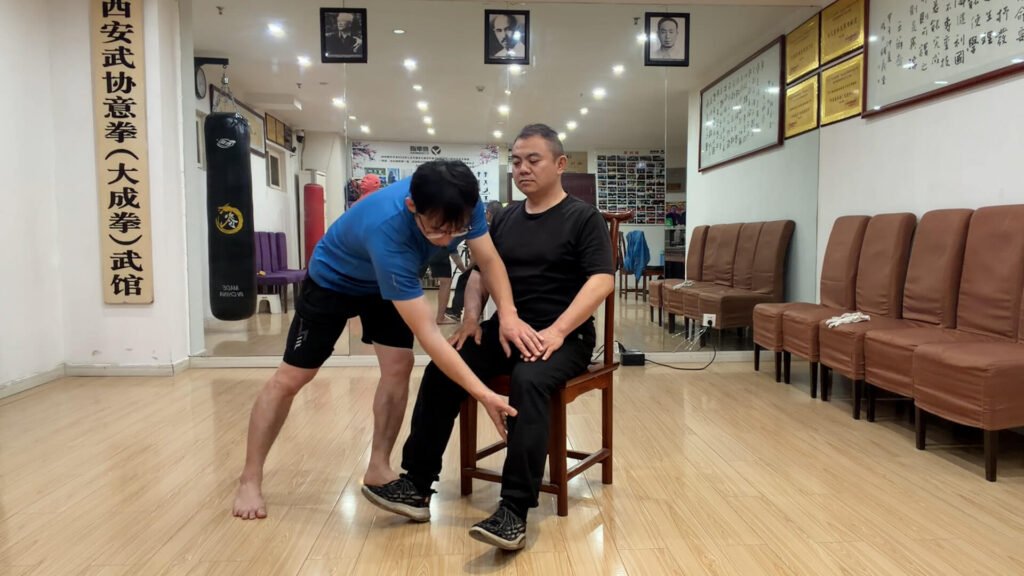
Standing Zhanzhuang with Support
When standing becomes appropriate and safe, the practitioner may progress to Standing Zhanzhuang with Support. A chair, wall, railing, or another stable object can be used to provide assistance and confidence.
The purpose of this progression is to help the body become more connected, stable, and capable over time. Depending on the individual, it may support improvements in strength, balance, postural control, and everyday mobility.
Progress is different for everyone. Some people may move from lying down to sitting, from sitting to supported standing, or eventually toward more independent movement. For others, the benefit may simply be greater comfort, awareness, stability, or confidence within their existing range of movement. Every meaningful improvement deserves to be recognized.
Experience from My Teaching
This approach is supported by a long history of practical teaching and individual experience. In my own classes, I have also worked with students who began in a physically weak condition. Through patient, consistent, and appropriately adapted practice, some gradually became stronger and more independent.
This is an encouraging example, but it should not be understood as a promise that everyone will achieve the same result. Each person’s condition, abilities, and rate of progress are different.
Practice at Your Own Pace
You do not need to force your body or imitate another person’s posture. Begin with the practice that is appropriate for you, keep the effort manageable, and allow your ability to develop gradually.
Even a short and gentle practice can be worthwhile when it is performed regularly. Consistency is more important than intensity.
Important Safety Information
I am a Zhanzhuang and Yiquan teacher, not a medical doctor. This course is intended for education and general physical practice. It is not medical treatment and should not replace medical diagnosis, rehabilitation, physical therapy, medication, or advice from a qualified healthcare professional.
The exercises in this course are designed to be gentle, low-impact, and adaptable to each person’s physical condition. They are not intended to involve strenuous movement or cause significant discomfort. However, every form of physical activity carries some risk, and individual responses may vary.
Because I cannot fully assess your medical condition through an online course, I cannot guarantee that these practices will improve or resolve any particular illness, injury, or disability. If you are recovering from an injury or surgery, or have a serious medical condition, please consult a qualified healthcare professional before beginning.
Practice only within a comfortable range and progress gradually. Use stable support and ask a caregiver or another responsible person to assist you when necessary. Never attempt to sit or stand without assistance if doing so could place you at risk of falling.
Stop practicing if you experience pain, dizziness, unusual shortness of breath, chest discomfort, or any other concerning symptoms.
Approach the practice with patience and curiosity. Begin with what you can safely do today, observe how your body responds, and progress one small step at a time.
I sincerely hope this course supports you on your journey toward greater strength, stability, and independence.
Briefly on Yiquan & Zhanzhuang
The ancient Chinese came to believe that not moving may be the key to health and longevity. They gradually created a health-maintenance methodology by mimicking a tree and named it Zhanzhuang, which is also known as “Post Standing”, “Pile Standing”, “Standing Pole”, “Standing Practice”, “Standing Meditation”, “Standing like a tree”, etc..
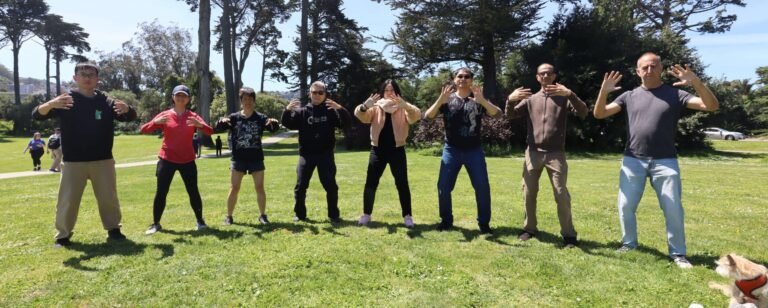
Yiquan(意拳), a traditional Chinese martial art, has preserved the origin of Zhanzhuang and developed it as the fundamental part of its training system. Derived from Yiquan, Zhanzhuang may also be adapted as a gentle practice to support physical well-being, including for some people living with chronic conditions. Individual responses vary, and the practice should complement—not replace—appropriate medical care.
Course Curriculum
Lying-down Zhanzhuang
- Lying-down Stances
Seated Zhanzhuang
- Sitting Stances
Muscles as One
- Muscles as One
Standing Zhanzhuang with Support
- Standing Stances with Support
About the Instructor
I am Song GAO, Yiquan inheritor & instructor, Zhanzhuang expert in health & wellness.
I was born in 1987 and grew up in a village in China. I began professional Yiquan and Zhanzhuang training with Master Zhang Yongmou, a fourth-generation Yiquan inheritor, in 2016.
After four years of training at Master Zhang’s Yiquan school, including three years as an assistant instructor, I became qualified to teach. I began teaching online in early 2020.
I traveled to the United States to teach Zhanzhuang and Yiquan in both 2024 and 2025.
I accepted my first two disciples in 2024: Hosh from Bisbee, Arizona, and Lyle from New York City. In 2026, Gregor from Slovenia became my third disciple.
In 2026, I largely achieved my goal of becoming a full-time Yiquan teacher.